

If you’re a cat owner, you’re probably no stranger to the constant battle against cat hair. From furniture and clothes to floors and bedding, shedding is a natural part of having a feline friend. While it’s normal for cats to shed, the amount can vary depending on the breed, health, and environment. For some cat owners, excessive shedding can become a major problem. Not only does it lead to frequent cleaning, but it can also trigger allergies, leaving you frustrated and overwhelmed.
Fortunately, there are several simple solutions that can help you control cat shedding, making your home cleaner and more comfortable for both you and your cat.
(This post may contain affiliate links which means I may receive a commission from purchases made through links)
1. Regular Brushing to Reduce Loose Fur
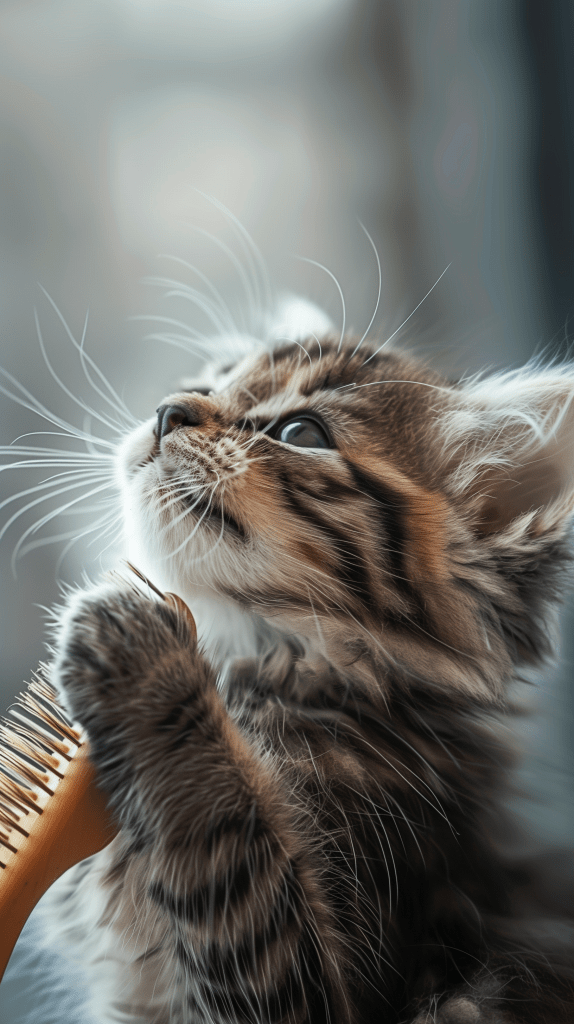
One of the most effective ways to control shedding is through regular brushing. Cats naturally shed fur to make room for new hair growth, but brushing helps remove loose hair before it falls onto your furniture or clothes. It also stimulates your cat’s skin and promotes healthy hair growth.
Solution: Invest in a good-quality cat brush or grooming tool designed for your cat’s coat type. Long-haired cats, for example, require brushes that can penetrate through thick fur, while short-haired cats benefit from fine-toothed combs. Brush your cat at least once a week, or more often if they have a tendency to shed heavily. This will significantly reduce the amount of fur scattered throughout your home.
Check out this Cat Brush for Long or Short Haired Cats
2. Feed a High-Quality Diet

The food you provide your cat plays a significant role in the health of their coat. Poor nutrition can lead to dry, brittle fur and increased shedding. A balanced diet rich in essential fatty acids, vitamins, and minerals can promote a shinier, healthier coat and reduce shedding.
Solution: Look for high-quality cat food that includes omega-3 and omega-6 fatty acids, which help maintain skin health and reduce excessive shedding. You can also consider supplements like fish oil, which is known for its benefits to both skin and coat. Be sure to consult your veterinarian before making any major changes to your cat’s diet.
3. Keep Your Home Humidified
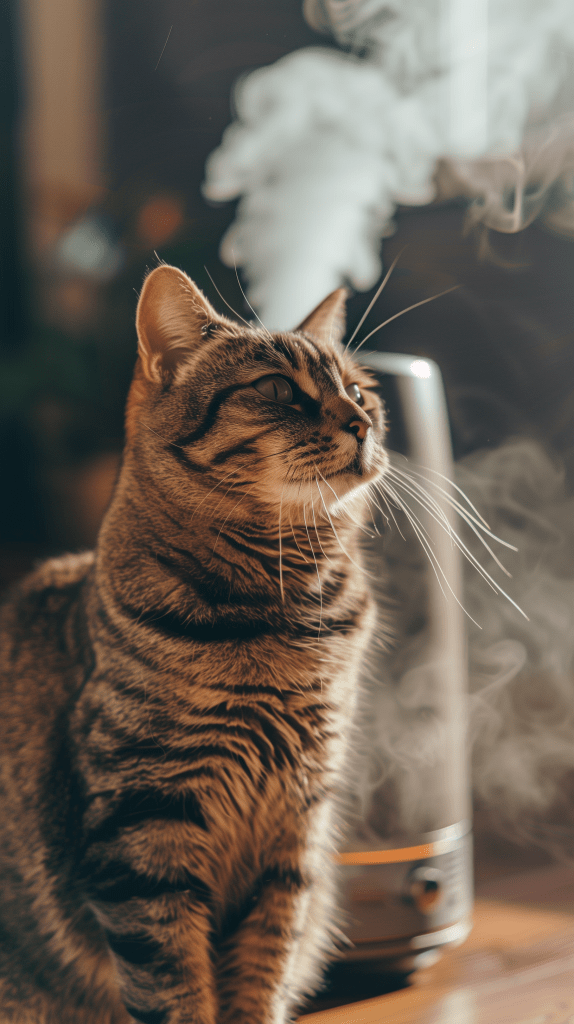
Dry air, especially during colder months, can make your cat’s skin dry and flaky, leading to more shedding. If you live in an area with low humidity or during winter when the air tends to be drier, your cat may experience increased shedding.
Solution: Using a humidifier in the room where your cat spends the most time can help maintain moisture levels in the air. This not only keeps your cat’s skin healthy but also helps control shedding. Ensure your cat always has access to fresh water as hydration is also crucial for maintaining a healthy coat.
Check out this east to fill bedroom humidifier
4. Regular Vet Check-ups
While shedding is natural, excessive or abnormal hair loss can sometimes indicate an underlying health issue, such as allergies, parasites, or skin conditions. If you notice your cat shedding more than usual, or if their fur looks dull, patchy, or thin, it could be time for a veterinary check-up.
Solution: Schedule regular vet visits to monitor your cat’s health. A vet can diagnose potential issues like flea infestations, skin infections, or nutritional deficiencies, all of which could contribute to excessive shedding. Early detection can help address the problem before it worsens.
READ: 14 Pet Safety Hacks That’ll Keep Your Furry Friends Safe (You Won’t Believe #5!)
5. Create a Clean and Cat-Friendly Environment
Finally, maintaining a clean and cat-friendly environment will go a long way in reducing the impact of shedding. Regular cleaning helps minimize the accumulation of loose fur, and creating designated areas where your cat can groom or rest will limit the spread of hair around the house.
Solution: Use lint rollers, vacuum cleaners designed for pet hair, and furniture covers to keep shedding under control. Consider setting up a designated space for your cat, like a bed or blanket, where they can relax and shed in one area. This will help reduce the amount of fur spread throughout your home.
Check out these extra sticky 400 sheet lint roller
Final Thoughts:
Shedding is a common issue for cat owners, but with a few simple steps, you can manage the mess and keep your home fur-free. Regular grooming, a balanced diet, a humidified environment, and routine vet visits will help keep your cat’s coat healthy and reduce shedding. By implementing these strategies, you’ll enjoy a cleaner home and a happier, healthier feline companion.




 Wino Mommas Blog
Leave a comment