
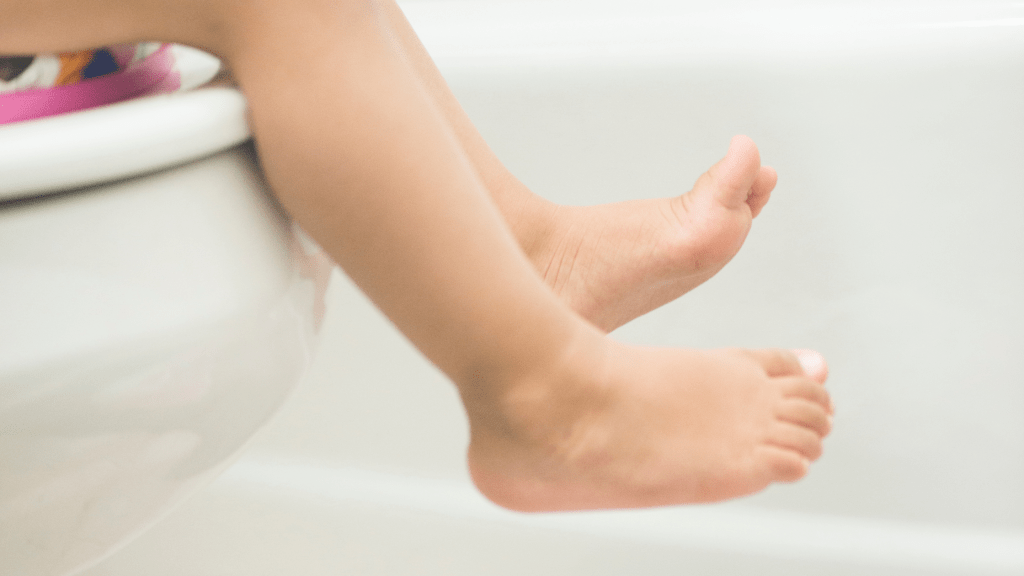
Potty training can be one of the most challenging milestones in your toddler’s development—and for many mothers, it’s an overwhelming experience. If your little one is resisting or struggling to grasp the concept of using the potty, you’re not alone. Potty training takes time, patience, and consistency, but with the right strategies, you can help your child make the transition smoothly. Here are some expert potty training solutions to help struggling moms navigate this tricky phase.
(This post may contain affiliate links which means I may receive a commission from purchases made through links)
1. Timing is Key: Know When Your Toddler is Ready
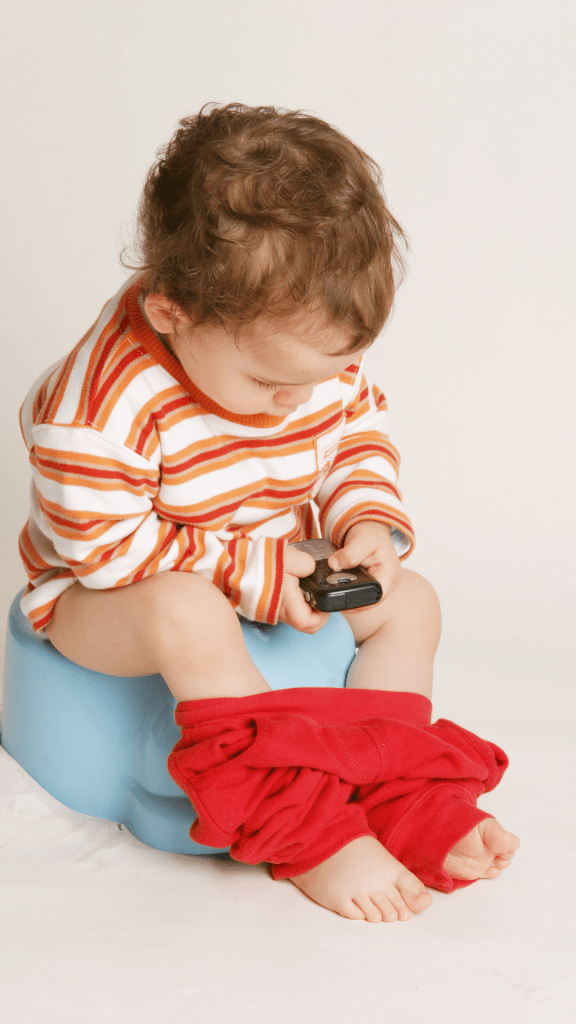
One of the biggest mistakes parents make is rushing potty training before their toddler is ready. While every child is different, most children are ready to start potty training between 18-24 months. Key signs that your toddler is ready include:
- Staying dry for longer periods
- Showing interest in adult bathroom habits
- Understanding and following simple instructions
- Staying uncomfortable in dirty diapers
If your toddler isn’t showing these signs yet, it might be worth waiting a few more weeks or even months before trying again.
2. Create a Positive Potty Training Routine
Consistency is crucial when potty training, but so is creating a positive, low-stress environment. Establish a regular potty routine, such as taking your toddler to the bathroom every two hours, even if they don’t feel the urge. This will help them get used to the routine and understand that potty time is part of their day. Be patient and celebrate small victories, like sitting on the potty even if nothing happens. Praise and positive reinforcement go a long way in keeping your toddler motivated.
3. Use Potty Training Tools and Resources
Sometimes, toddlers struggle with potty training because they don’t fully understand the process. Potty training books, videos, or even a potty training app can make the experience more fun and engaging for your child. Many toddlers respond well to visual aids that show the potty process step-by-step. You can also try using training pants or a potty training seat that fits over the regular toilet to help your child feel more comfortable and independent.
Check out this Fold-and-Go- Potty Seat for Toddlers
4. Make It Fun: Use Rewards and Incentives
To keep your toddler motivated, use rewards like stickers, a special yummy treat, or extra playtime for each successful potty trip. Some parents even create a potty chart, where the child earns a sticker every time they use the potty correctly. Over time, this reward system will help your child associate potty training with positive reinforcement, making them more eager to keep trying.
Check out this Potty Training Chart with Stickers!
5. Don’t Punish Accidents—Learn from Them
Accidents are a normal part of potty training, and it’s important not to punish your toddler for them. Instead, use accidents as a teaching moment. Stay calm, clean up together, and remind your child what the potty is for. Reinforce positive behavior with encouragement and praise. Remember, potty training is a process, and every child moves at their own pace.
6. Be Positive and Excited When They Use Potty
Potty training can be frustrating, especially if progress seems slow or your toddler resists. However, it’s crucial to remain calm and patient throughout the process. If your child senses that you’re stressed, they may become anxious or unwilling to cooperate. When they do actually use the potty make sure your excitement level is high so they understand they did something right!

7. Look for Signs of Regression
It’s common for toddlers to experience setbacks after they’ve made progress in potty training. Changes in routine, the arrival of a new sibling, or starting daycare can cause regression. If this happens, try not to worry. Gently revisit the potty training routine and reassure your child that accidents are okay. Patience is key during these phases.
8. Try a themed Potty Training Set
A themed potty training kit, featuring popular characters like superheroes or princesses, can make the potty training process more exciting and engaging for young children. These fun designs motivate kids to interact with the potty seat and feel more empowered in their new milestone. By incorporating familiar, beloved themes, the kit helps create a positive and enjoyable experience, making the transition from diapers to toilet training smoother for both mothers and children.
Check out this Super Hero Potty Set
Final Thoughts:
Potty training is a big milestone in your toddler’s life, and while it can be challenging, it doesn’t have to be a struggle. With the right approach—timing, consistency, positive reinforcement, and patience—you can guide your child through this phase with minimal stress. Remember, every child is different, so don’t compare your experience to others. Celebrate the small victories and keep moving forward—you’ll get there, one step at a time!
By following these expert potty training solutions, you’ll be well on your way to helping your toddler feel confident and comfortable with using the potty. Stay positive, and remember that every child learns at their own pace!


 Wino Mommas Blog
Leave a comment